Shopping Cart
No item in your cart!
RM0.00
View Cart

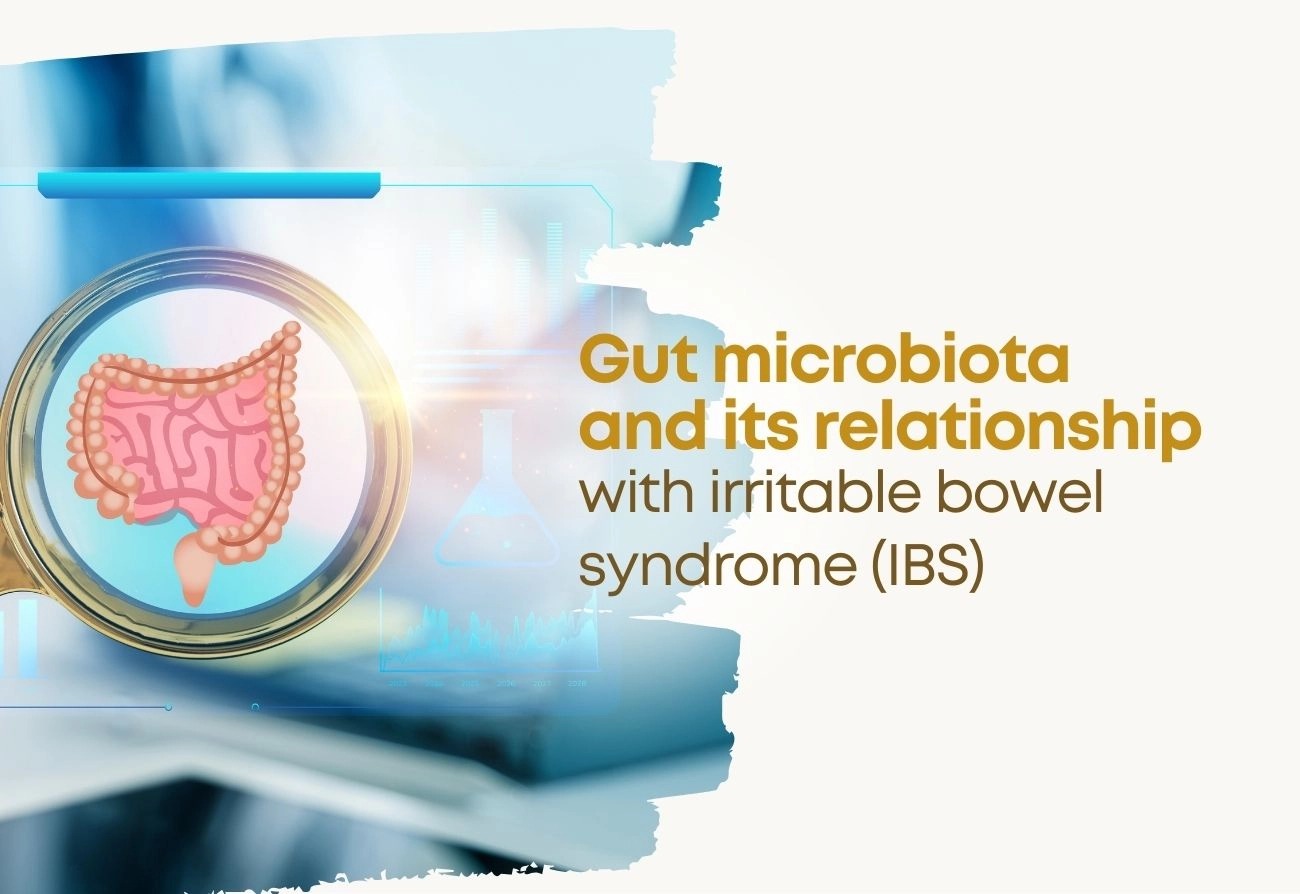
Gut microbiota and its relationship with irritable bowel syndrome (IBS) by Dr See Lay May, Gastroenterologist and Hepatologist
What is IBS?
Irritable bowel syndrome (IBS) is a functional gastrointestinal disorder with chronic, recurring symptoms rather than visible damage to the bowel. The main symptoms are:
Other commonly reported symptoms include fatigue and nausea.
The exact etiology of IBS is complex, involving altered gut motility, visceral hypersensitivity, prior infections, gut microbiota dysbiosis, food triggers, genetics, and stress-related gut-brain interactions.
The relationship between gut dysbiosis and IBS
Studies suggest that gut dysbiosis, which refers to an imbalance in gut microbiota, is common in IBS. Dysbiosis may include reduced beneficial bacterial species (e.g., Lactobacillus and Bifidobacterium) and increased pro-inflammatory/pathobiont species, with metabolite shifts that can affect motility and sensitivity. It is also associated with impaired intestinal barrier function (“leaky gut”), where disrupted tight junctions may permit microbial components to trigger immune activation and low-grade inflammation, contributing to pain, bloating, and altered bowel habits.
The potential role of probiotics in IBS management
Probiotics, which are live microorganisms that confer a health benefit when taken in adequate amounts, may help some IBS patients by modulating the gut microbiota and immune response. Effects may include supporting short-chain fatty acid (SCFA) production and barrier integrity, potentially reducing inflammation and gut sensitivity. Clinical benefits are modest across previous clinical trials.
Clinical evidence of microbiome-based therapeutics for IBS management
Locally developed synbiotic formulations (probiotics plus substrates that support their activity) are designed using Asian population-specific microbiome data. SMT04 is a precision synbiotic formula developed by the Faculty of Medicine of a renowned university in Hong Kong based on Asian metagenomic insights; such approaches are being explored as adjunct strategies for gastrointestinal conditions, including IBS.
In studies of targeted synbiotic approaches, reductions in disease-associated bacterial markers have been reported after continuous use (e.g., 3 months). Mechanistically, specific strains (e.g., Streptococcus thermophilus) with tara gum may support mucus and tight-junction biology and metabolite production via a gelling effect, providing a more favorable environment for barrier recovery. Pilot studies have reported improvements in symptom scores. To improve delivery, probiotics are formulated to remain viable; technologies such as microencapsulation may protect them during gastrointestinal transit and enhance delivery to the colon, supporting more sustained benefit.